
Behind No Perfect Week
More than two decades of experience, now put into your coaching
No Perfect Week was created on the foundation of many years of experience with running, big goals, changed plans and coaches who made a real difference. The vision is to make focused running coaching more human, so big goals and the rest of life can fit into the same plan.
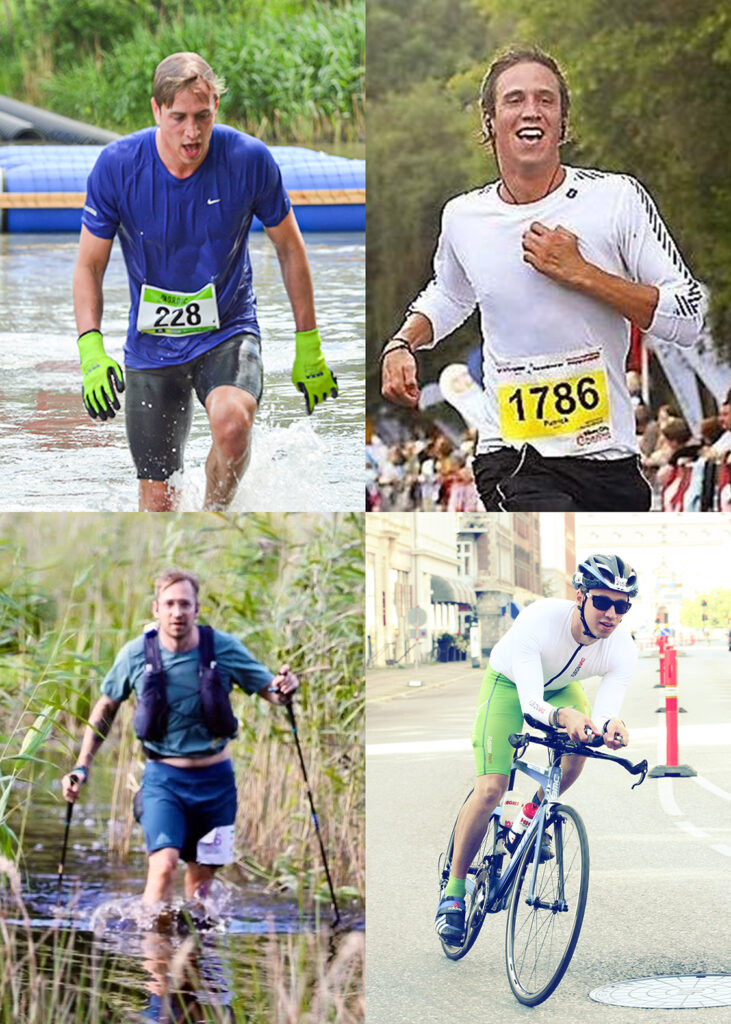
The first big goal shifted the limit for the next
It began more than 20 years ago with a half marathon. A marathon followed, which at the time felt like one of the biggest things you could decide to do. KMD Ironman Copenhagen, trail running and ultra running followed.
Highlights include UTS 100M, several 100 kilometre races, Vietnam Laan Ultra Trail and a win at GUUT 100K. The results tell part of the story. The most important experience lies in everything that led to them: the training periods, the doubts, the good decisions and the times when the plan had to change.
It is still the challenge itself and the work towards it that drives me. A race lasts hours or days. The journey towards it can last months. This is where most decisions are made, and where coaching can make a noticeable difference.
Strength is a complement, not decoration in the calendar
For a period, CrossFit made up a large part of my training. In 2012, I placed 12th at Lowlands Throwdown, which is regarded as the national CrossFit championship for the Netherlands and Belgium.
That experience gave me a practical understanding of what strength training can contribute to a running journey and where its role ends. Used well, it can support the runner and the goal. Used without a clear purpose, it simply becomes another load to recover from.
That is why strength training in coaching is chosen according to need. It needs to fit into the overall training and do a specific job, not compete with the goal we are training towards.

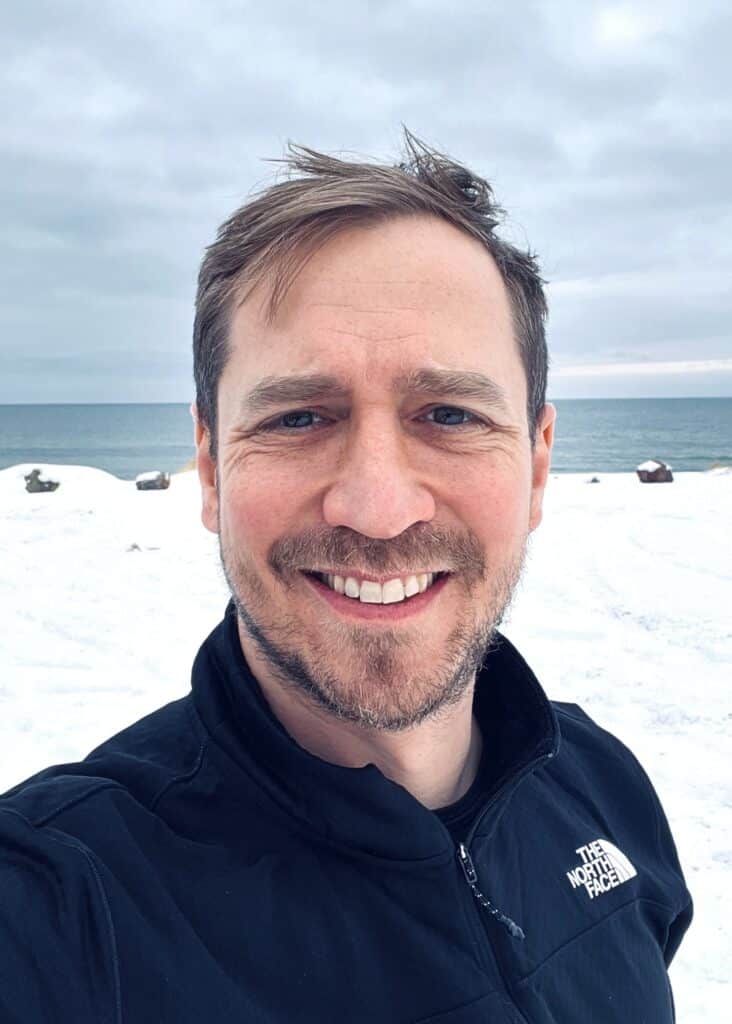
Experience that also helps when something changes
I have completed many different races, but also experienced days when the finish line was not reached. Training has included long stretches with shin problems, an operation and the effects of a serious ankle injury. Then there are blisters, chafing and the small problems that can take up surprisingly much space when the distance gets long.
That background has given me respect for the fact that training takes place in a body and a life that already have a history. When something changes, the decision to continue, hold back or seek the right professional help must be made thoughtfully.
The mental side is part of it too. An injury can affect more than the next training session, and a race that is not completed can require a different conversation than a new schedule. Coaching needs to make room for that reality and still help you find a clear next step.

Who coaches the coach?
Different goals have required different coaches along the way. The value was not just a calendar with training sessions, but having someone to talk things through with who understood the goal, kept the overview and took responsibility for planning when training took up the most space.
I have also been coached by Camino Ultra Coaching from the UK. Today, they act as mentors, and I regularly take part in training and courses with them. It gives me a professional environment where methods, decisions and specific coaching journeys can be challenged and qualified.
I also follow ongoing developments in training methods and the discussions in the ultra and running community. New ideas do not become valuable because they are new. They become valuable when they can be sensibly applied to the runner and goal they are intended for.
The vision is simple: fewer clients, more attention
No Perfect Week is built for personal coaching with a small number of clients at a time. This creates space to know the person behind the training data, follow progress closely and consider sleep, recovery, nutrition, motivation and everyday life when they matter to training.
You get a plan, but you also get a coach who makes decisions. The goal is not to make training complicated. The goal is to bring together the relevant information, make better decisions and give you the calm to do the work.
If you are considering a marathon, a trail race, an ultra or another endurance sport challenge, you can start with a short enquiry. You can also read more about running coaching before you get in touch.