
Personal running coaching
You are not just buying a plan. You get a coach who stays with you.
Coaching with No Perfect Week brings together planning, feedback and ongoing decisions around your goal. Your training is planned with clear direction and adjusted based on what actually happens along the way.
Coaching is one to one, and I work with a small number of clients at a time. That creates space to know your training, follow your feedback and make decisions when adjusting is not enough and choosing well matters.
A training programme can show the way. Coaching helps you move forward.
A training programme gives you something concrete to work from. In coaching, we also follow how your training is actually going. You complete the sessions and share how your body responds and what affects your training. I gather your feedback, track your progress and assess whether the plan still fits you and your goal.
A challenging week does not automatically call for a new plan. Sometimes the right thing is to stay the course. Other times it makes more sense to change the load, move a session or prioritise recovery. You do not have to work out the difference on your own.
A small client roster allows for closer coaching
It gives me time to follow your training closely and get to know your responses and patterns. Times and distances tell part of the story, while your feedback helps explain the rest. Together, this creates a better basis for planning the next part of the coaching and making the choices that fit your goal.

What you get with coaching
Coaching brings together the concrete training and the decisions that make it work as a whole. The content is adapted to your goal and individual agreement, but the core elements are:
A plan with both short and long term direction
The detailed training is normally planned one to two weeks at a time in Nolio. At the same time, we work from a longer term direction, so each week has a purpose and does not stand alone.
Feedback and adjustment along the way
I follow your completed training and your feedback. The plan can be adjusted when training load, recovery, motivation or other relevant factors change what the best next step is.
Answers when training raises questions
You can write about training related questions along the way. I reply within 24 hours, so an uncertainty does not have to follow you through the rest of the week.
A regular monthly call
We normally have an online call of 30 to 60 minutes each month. Here, we look at your progress, take stock of what matters and make the decisions that require more than a short message.
Strength, energy and strategy with a clear purpose
Relevant strength training can be included as a complement. In the lead up to a race, we can also work on pacing, energy, hydration, equipment and race strategy when it is relevant to your goal.
Evaluation that informs what comes next
After important training periods and races, we look at what worked, what needs to change and what the experience means for the next part of the coaching.
Your plan should not look like everyone else’s
Coaching is individual. Some benefit most from close and frequent follow up. Others need fewer calls and a clear plan they can work with independently. It depends on the goal, experience, what needs to be learned and the support that makes sense for you.
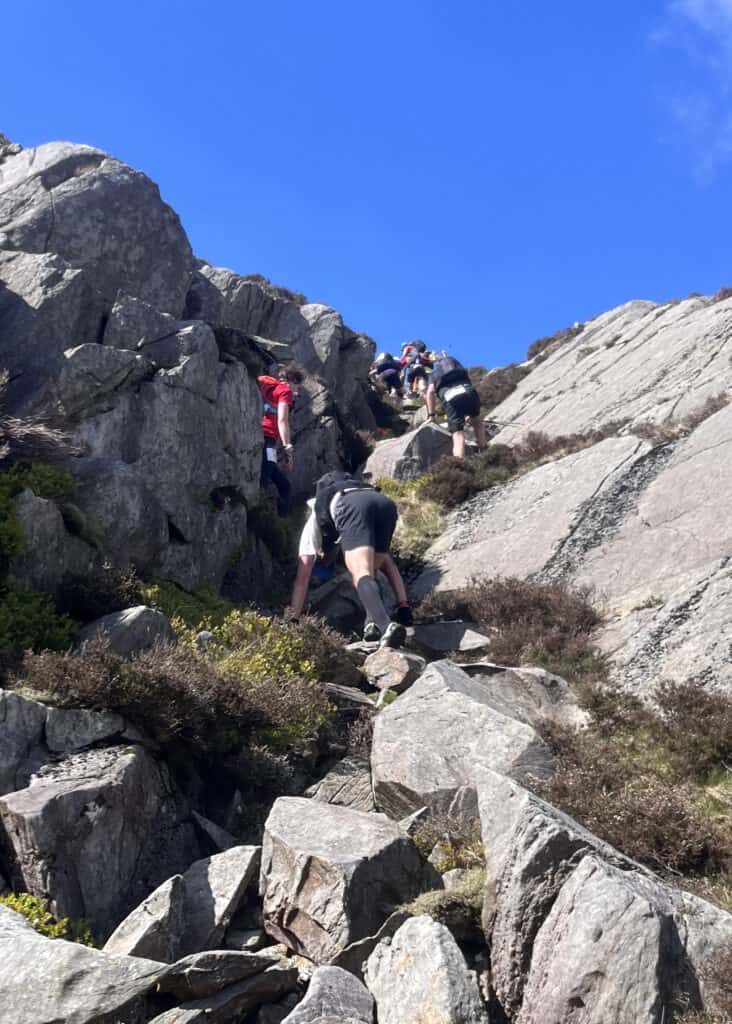
There may also be a need for more practical work. For example, we can meet for running training and look at running form, technique on climbs and descents, or practise night running. We discuss what is relevant in the introductory call and return to it along the way when it can support your goal.
It should not be squeezed in simply because it is possible. It should be used when it genuinely makes a difference to your training.
Training is only one part of what we look at
Running is affected by more than the running sessions themselves. Sleep, recovery, nutrition, motivation, work and your overall load can all affect what makes sense to plan. That is why coaching considers the whole picture around your training, while keeping sight of what your training is meant to lead towards.
You are responsible for the training and feedback. I am responsible for planning, follow up and the professional decisions within the framework of our agreement. The better I understand your experience of training, the better the basis I have for planning what comes next.
You gain insight into the thinking behind the plan, but you do not need to analyse every session alone or guess which adjustment makes the most sense. The responsibility for keeping the overview does not rest solely with you.
How coaching begins

You send a short enquiry
Tell me what you are considering and what you would like help with. You do not need to have formulated the whole project in advance.

We have a free introductory call
If there is a relevant starting point, we arrange a no obligation call. We talk about your goal, your current training, your expectations and the support you are looking for.

You receive an individual agreement
Before coaching begins, you receive a written agreement outlining the price, scope and practical framework. That makes expectations clear before the first training is planned.

We build your coaching journey
When the first agreed payment has been received, our work together begins. We put the necessary information in place, plan the first part of your training and establish a rhythm for feedback and follow up.
Pro bono coaching when circumstances are more difficult
Ambitions do not disappear simply because circumstances are more difficult. A goal can still matter, even when the path towards it requires more consideration, support or space than usual.
Previously, I have been a volunteer mentor at Følgeven, and it reminded me how important it is for someone to make space when life already makes it harder to get out and participate in sport. It matters deeply to me to help people facing mental, social or physical challenges.
For that reason, No Perfect Week always keeps two places reserved for pro bono coaching. They are primarily for people who want personal support with their training but face circumstances that make regular coaching more difficult to access right now.
If you would like to apply for a place, send a short enquiry through the contact form. Explain why you are interested in coaching, which goal you would like to work towards and a little about the situation that makes a pro bono place relevant to you.